
Key Takeaways
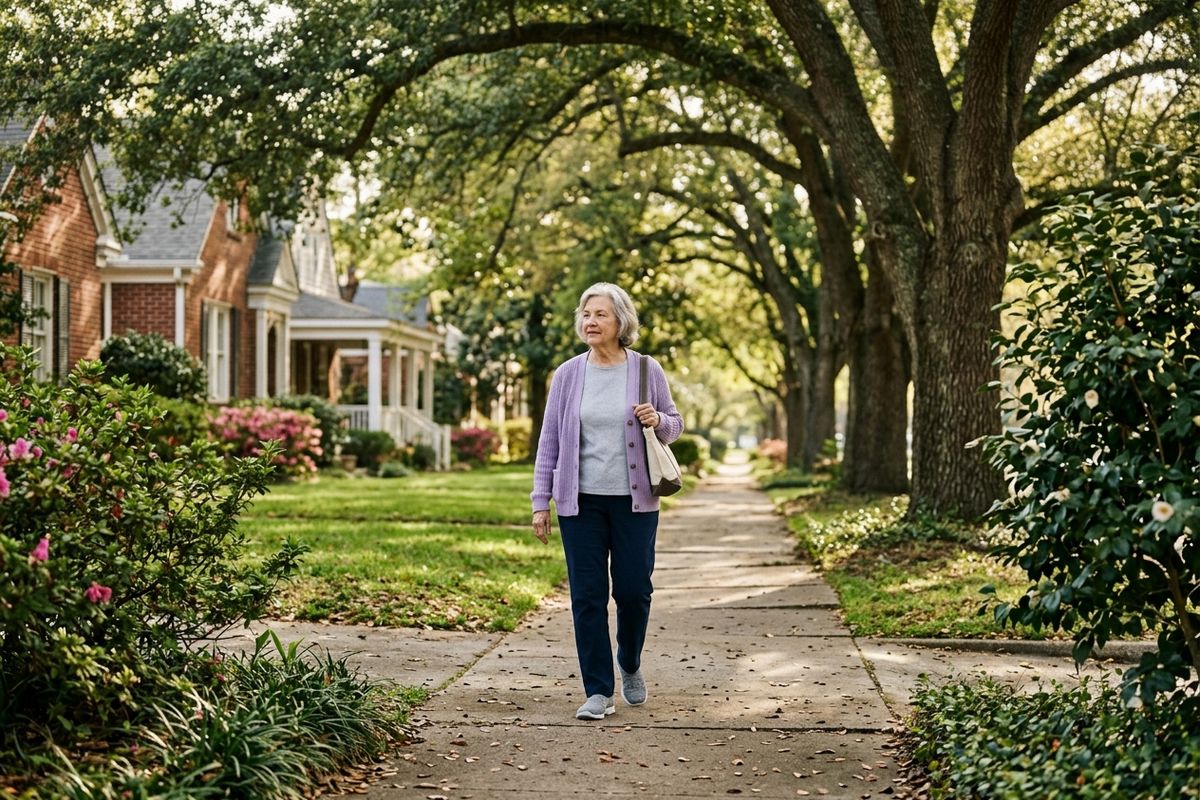
- Walking is gentle on knees and hips, and it needs no equipment or gym membership.
- A daily walk supports circulation, bone strength, and easier movement.
- Time outside can ease stress, support memory, and help you sleep more soundly.
- Aim for about 30 minutes at a moderate pace most days, and shorter walks still count.
- Walking with neighbors or family turns exercise into connection.
Why a Daily Walk Matters More Than You Think
Maybe your knees feel stiff when you stand up from your favorite chair. Or the stairs take a little longer than they used to. Those small changes can make exercise feel like something you’ve aged out of. But the team at CaraVita Senior Living sees it differently, because the simplest option has been waiting outside your front door the whole time.
Walking gives you one of the easiest ways to support your heart, bones, balance, and mood, all without special equipment, a membership, or a complicated routine.
Why Walks Work Well as You Age
Walking is low-impact, which means your knees and hips absorb far less pounding than they would during a jog. You move at your own pace, stop when you want, and finish feeling refreshed instead of worn out.
You also don’t need to buy anything or sign up for anything. A comfortable pair of shoes and a stretch of sidewalk are enough to get started today.
And walking slides into a routine you already have. A loop around the block after breakfast, a stroll to the mailbox, or a few laps down a shaded path before dinner all add up.
Physical Health Perks of a Daily Walk
Heart and Circulation Support
Regular walking helps your circulation and supports healthy blood pressure. Moving your legs keeps blood flowing the way your body prefers.
A consistent walking habit also supports healthy cholesterol levels. You get that benefit from ordinary walks, not from anything strenuous.
Stronger Bones and Easier Movement
Walking is weight-bearing movement, meaning your bones carry your body weight with every step. That kind of gentle load supports bone strength over time.
Your joints appreciate it too. Regular motion helps hips, knees, and ankles stay flexible, so bending down to pick up the newspaper feels less like a project.
Balance and Fall Prevention
Steady walking builds strength in your legs and core, the muscles that keep you upright when a curb surprises you. Stronger legs can mean steadier footing.
Walking also sharpens coordination. Your body learns to adjust to slopes, turns, and changes in surface without much thought.
Then comes the part people notice most. Confidence grows with each step, and suddenly you’re reaching for the top shelf or walking to the car without second-guessing yourself.
How Daily Walks Lift Your Mood and Mind
Stress has a way of following you around the house. A walk gives it somewhere to go. Fresh air, sunlight, and rhythm can quiet the worry that builds up on a long afternoon.
Walking supports memory and mental sharpness too. Many people find their thinking feels clearer after a lap outside than after another hour on the couch.
Sleep often improves as well. When your body has moved during the day, bedtime tends to come easier, and the night feels more restful.
How Much Should You Walk Each Day
Time and Distance to Aim For
About 30 minutes at a moderate pace is a solid target. Moderate simply means you can talk but not sing.
Most days of the week works better than one long effort on Saturday. And if 30 minutes feels like too much right now, 3 walks of 10 minutes still count.
Ways to Adjust the Effort
Once your routine feels comfortable, you can change the challenge in small ways.
- Hold a steady pace, or add short brisk bursts between 2 lampposts
- Add a gentle hill or a flight of stairs
- Choose supportive shoes with good grip, since comfortable footwear makes a real difference
- Extend your route by a few minutes each week
Common Mistakes to Skip
A few simple habits keep your walks pleasant.
- Warm up with an easy first few minutes instead of rushing the pace
- Choose even paths and well-lit routes
- Carry water on warm days
- Walk during cooler morning or evening hours in summer
Walk Together and Stay Connected
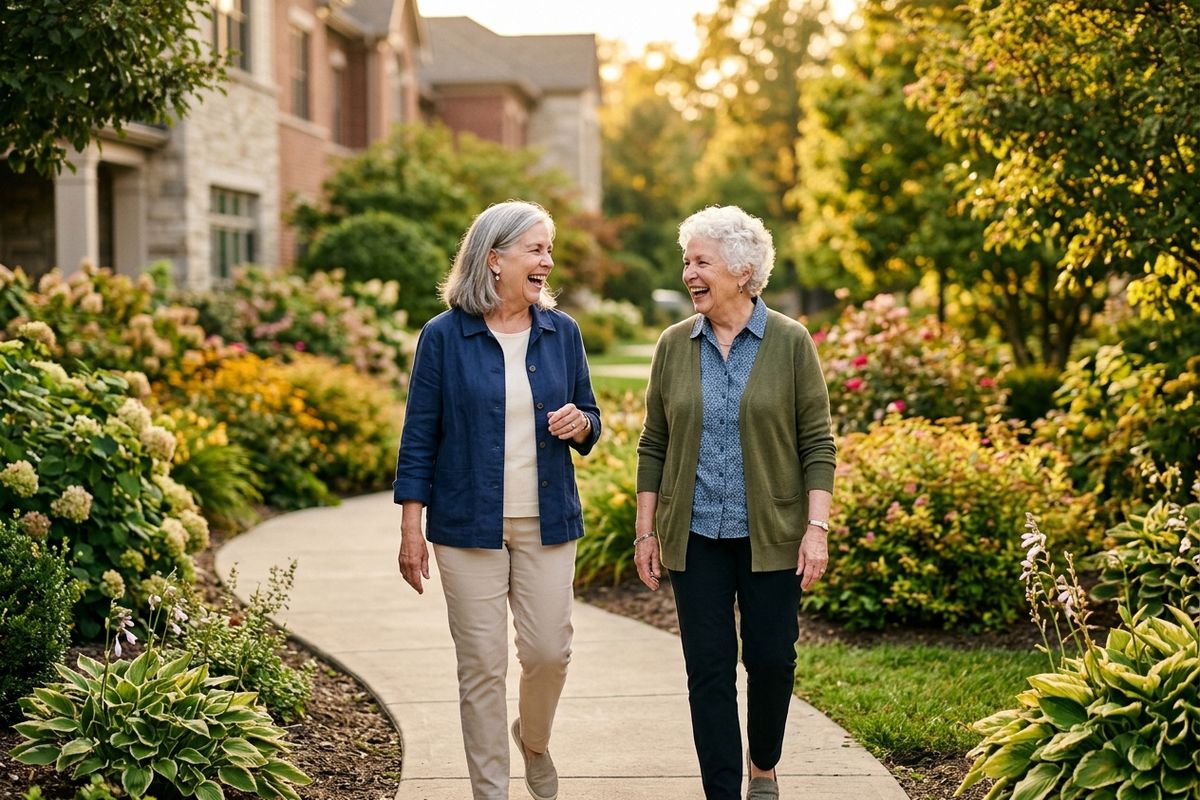
Walking groups turn a health habit into something you look forward to. Conversation makes the minutes fly, and having someone waiting for you at 9 a.m. is stronger motivation than any reminder app.
Family walks work the same way. Instead of sitting across a table, you and your adult children catch up shoulder to shoulder, and the visit becomes movement.
Many senior living communities are designed with this in mind. Shaded walking paths, level sidewalks, and safe outdoor spaces serve residents across independent living, assisted living, and memory care neighborhoods.
Take Your First Steps Toward a Daily Walk Routine
Start small. Walk to the end of the driveway today, add a few minutes next week, and let the habit build itself. Pick a route you genuinely enjoy, because scenery you like keeps you coming back.
The team at CaraVita Senior Living can share how walking paths, group activities, and respite care options help support an active daily routine. Reach out to schedule a visit and walk the grounds together.