
Key Takeaways
- Independent living covers upkeep, meals, and transportation so your days stay your own.
- Look at location, floor plans, and amenities you’d use each week.
- Tour with questions ready about costs, emergency response, and parking.
- Sample a meal and talk with residents when staff aren’t nearby.
- Ask whether assisted living, memory care, and respite care are available later.
- Compare your household expenses to the monthly fee before deciding.
What to Know Before You Pick Your Next Home
Your gutters need cleaning again. And the lawn service raised its rates for the third year running. Somewhere along the way, the house you loved started asking more of you than it gives back.
Choosing an independent living community comes down to 4 things, whether the location fits your life, whether the daily services match your habits, whether the people feel like neighbors, and whether the community can support you if your needs change later. CaraVita Senior Living hears those same questions from families every week, and the answers usually start with a look at independent living floor plans.
What Independent Living Really Offers
The biggest shift most residents notice isn’t the apartment. It’s the Saturday mornings. No trip to the hardware store, no waiting on a plumber, no raking.
Most communities fold the practical stuff into one monthly cost. That usually includes these items.
- Chef-prepared meals in a shared dining room
- Weekly housekeeping and fresh linens
- Scheduled transportation to appointments and errands
- Maintenance, inside and out
The rest is harder to put on a brochure. Someone saves you a seat at the Tuesday card game. A social life grows around you without you having to build it from scratch.
How Independent Living Compares to 55 Plus Communities
A 55 plus neighborhood sells you housing. You still own the roof, schedule the repairs, and cook every meal.
Independent living wraps dining, activities, and upkeep into the same address. That’s the real dividing line as you compare senior living options.
Features to Look for During Your Search
Start with geography. If your daughter lives 20 minutes east and your doctor’s office sits downtown, a community an hour away can quietly shrink your world. Think about the grocery store you like and the church you attend.
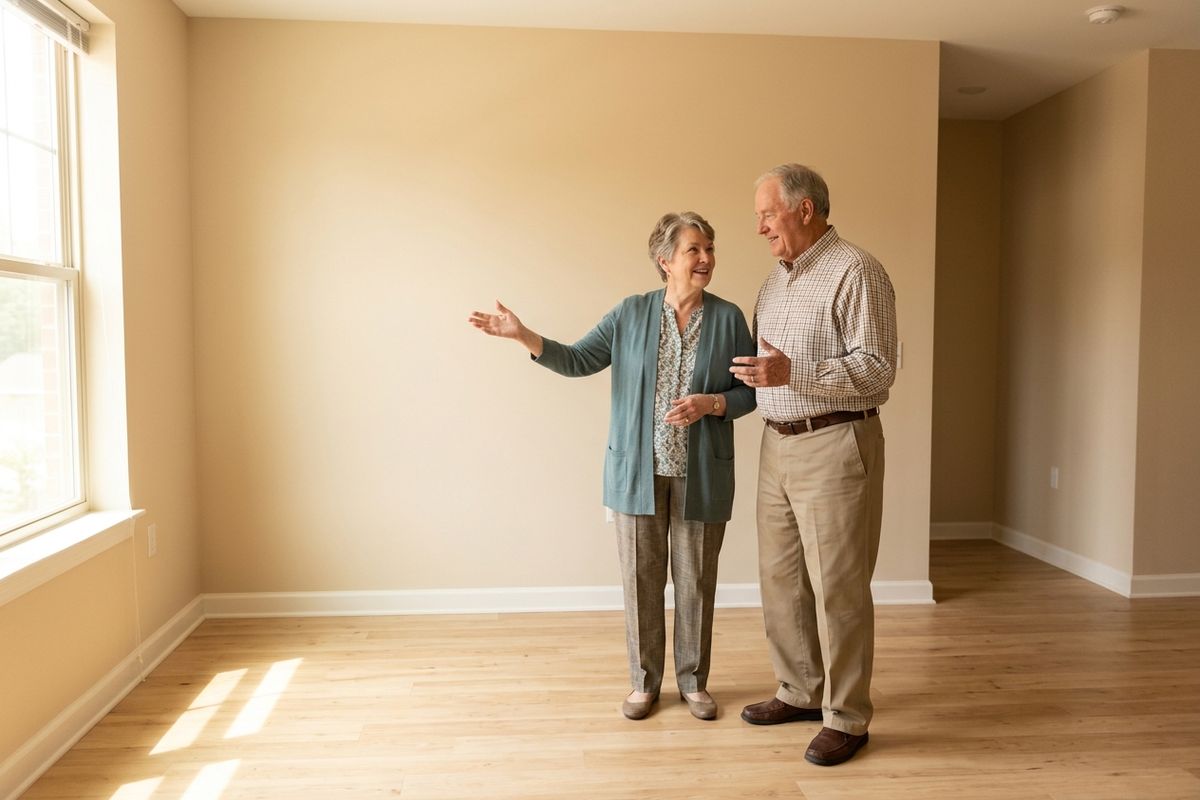
Next, measure. Bring the dimensions of your sofa and bedroom set, because a floor plan that looks roomy on paper can leave no wall for the bookcase you refuse to part with.
Then be honest about amenities. A putting green sounds nice, but a fitness room, a library, and a screened porch you’d sit on every afternoon matter more.
Dining and Daily Life
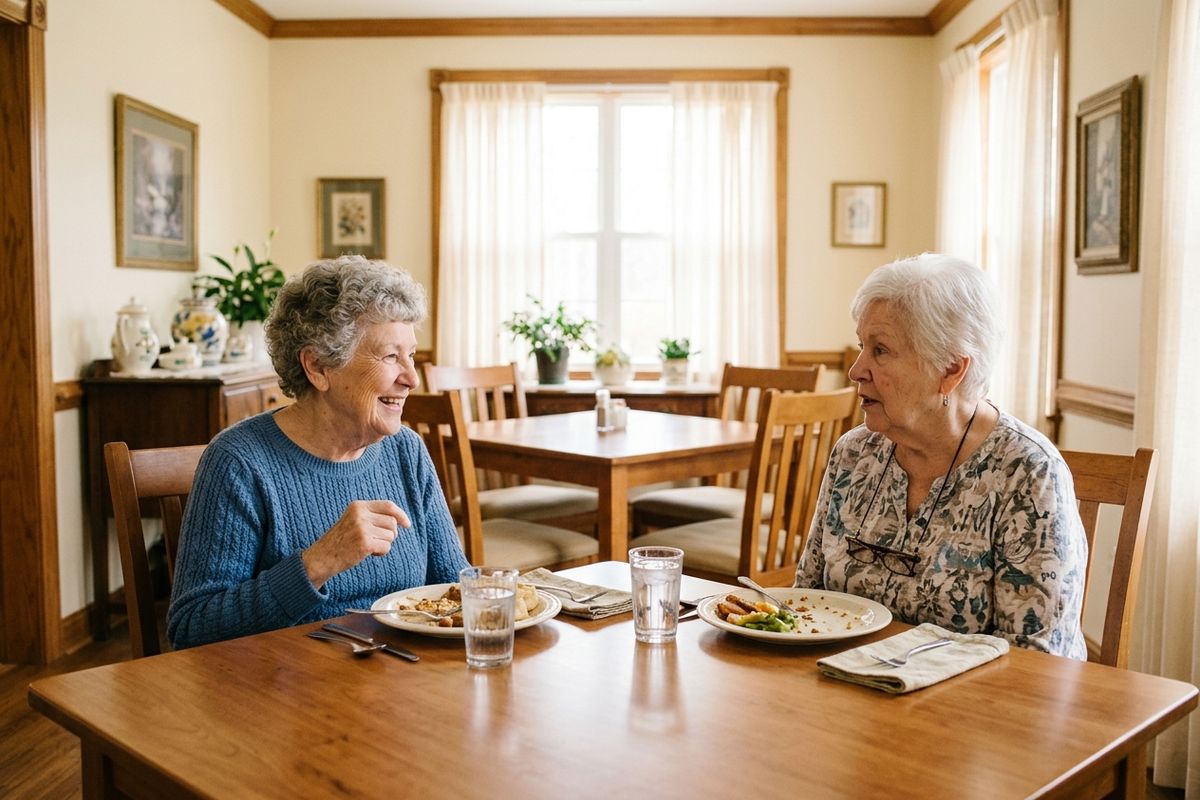
Eat a meal during your visit. Ask for a table with residents rather than a private room, and notice whether the food arrives hot and whether people linger afterward.
Ask about flexible dining hours, because early risers and late eaters both need somewhere to go.
And ask about guests, because hosting your grandkids for Sunday dinner keeps family traditions right where they belong.
Activities and Social Life
Request the current monthly activities calendar, not a sample from last spring. A full calendar with varied offerings tells you the community invests in daily life.
Look for resident-led clubs, off-site outings, and groups like gardening or book discussions.
Questions to Ask on a Tour
Bring a short list and write down the answers.
- What’s included in the monthly cost, and what carries an extra charge?
- How does the team respond when a resident needs help quickly?
- Can residents keep a car and park on-site?
- How often do fees change, and how much notice do residents receive?
Staff and Community Culture
Watch the hallways. Do team members greet residents by name and stop to chat, or do they walk past?
Then find a resident and talk without a staff member standing nearby. Ask what they’d change. You’ll get the most useful answer of your whole visit.
Safety Features Worth a Second Look
Look for grab bars in the bathroom, walk-in showers with low thresholds, and emergency call buttons within reach. Good lighting in stairwells and hallways counts too, since it helps prevent falls.
Ask about staffing coverage around the clock. Knowing someone’s awake and available at 3 a.m. helps everyone sleep better.
Costs and Future Care Needs
Add up what you spend now. Mortgage or taxes, insurance, utilities, groceries, and lawn care often total more than families expect. Set that number beside the monthly fee and compare honestly.
Ask about deposits, community fees, lease terms, and past rate increases. Veterans and surviving spouses may also qualify for Aid and Attendance benefits.
Room to Grow Within Senior Living
Ask whether assisted living and memory care are available on the same campus. If they are, a change in needs doesn’t have to mean starting over somewhere unfamiliar.
Respite care matters too. Short stays give a family caregiver a breather, and they let you test the community before committing.
Final Thoughts on Your Next Chapter With CaraVita Senior Living
Pull out your must-have list and mark which community checked the most boxes.
Then trust your gut. The right place feels easy the moment you walk in. Schedule a visit at CaraVita Senior Living, stay for lunch, and see how it feels to be welcomed.